App
Support tool for automotive service providers
Client
Delta Global
Role
Senior UX/UI Designer
Location
Porto Alegre, Brazil and Remote
Brief
Mobile Application Redesign for IOS and Android
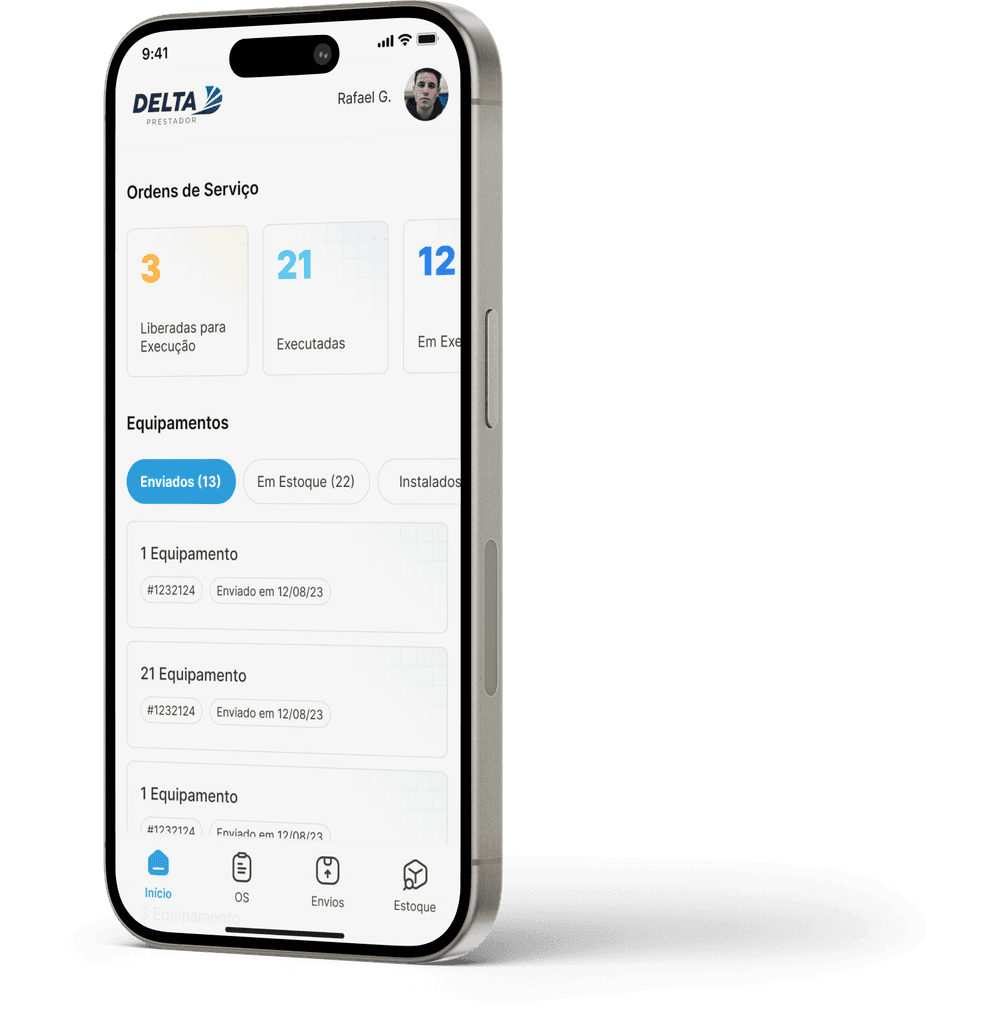
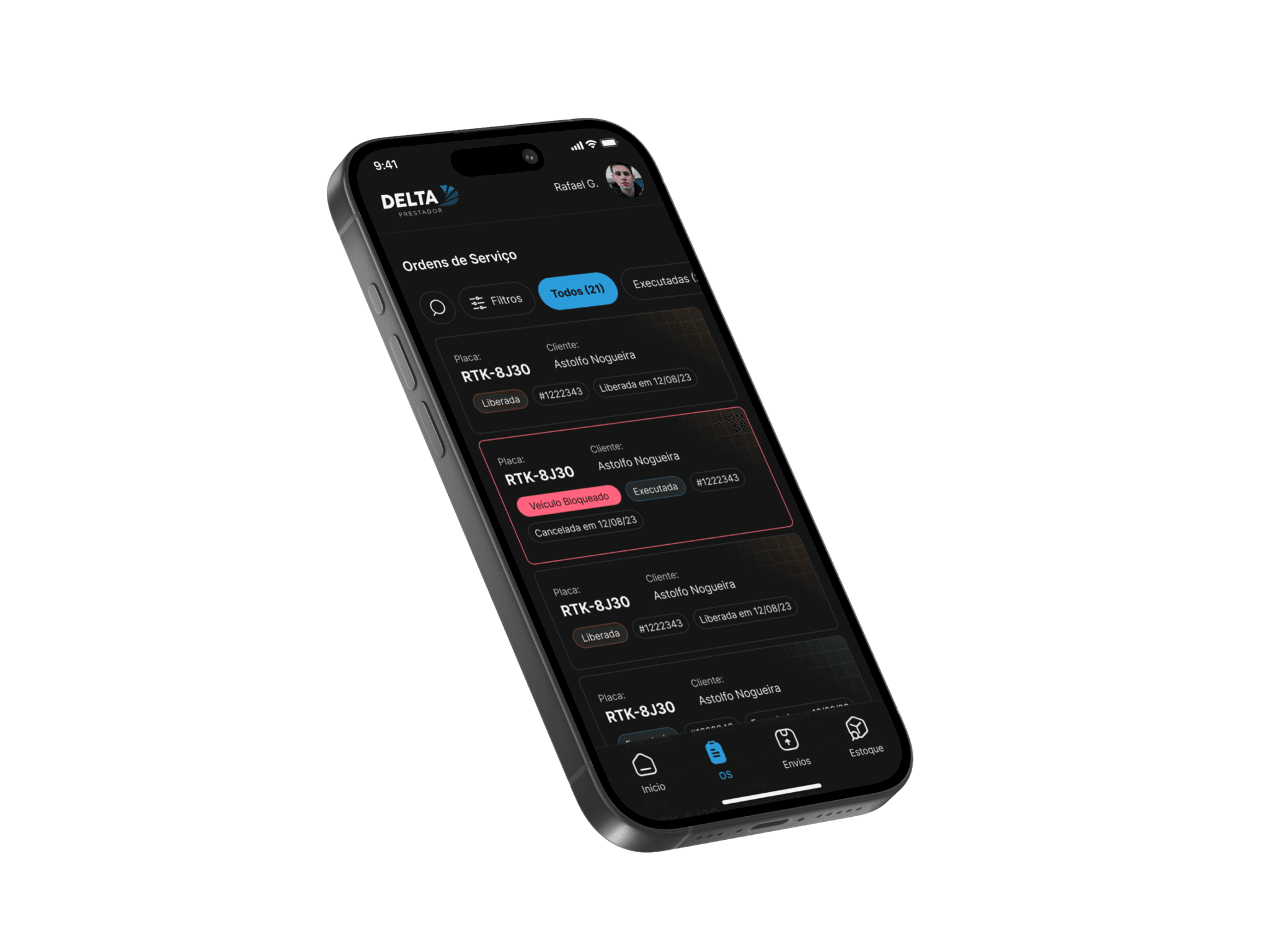
This app aims to be a powerful tool for connecting the company with its service providers.
Connecting Delta Global's complex system with the contractors' application. Where they can be notified of new open services, control deliveries and equipment storage. As well as installation checklists and hardware testing tools.
1. Challenge
We need a better way
2. Design Process
UX Methodology
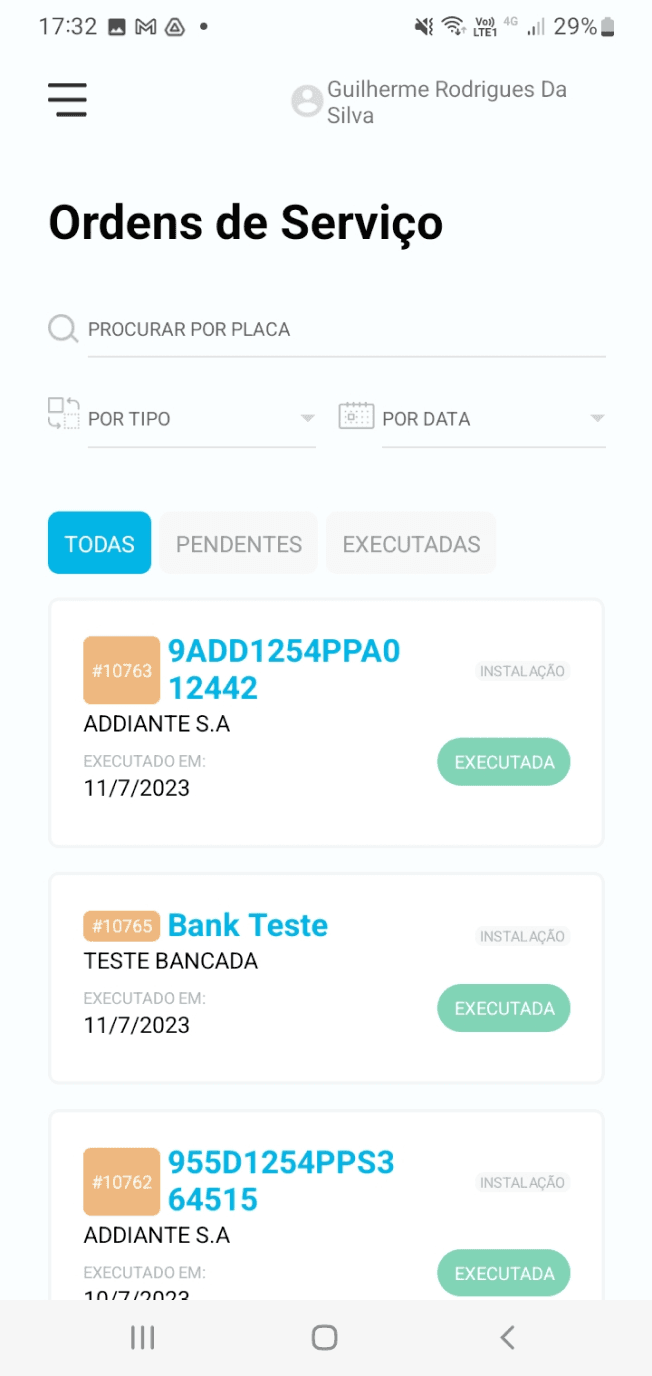
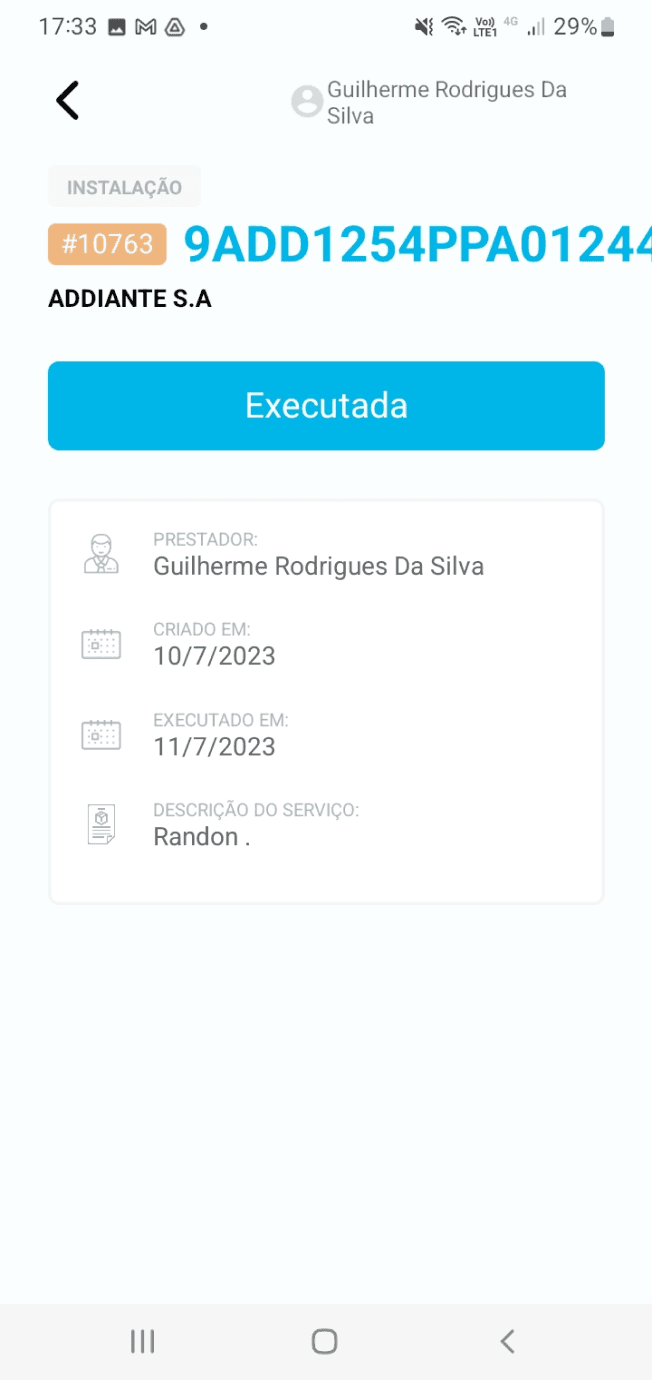
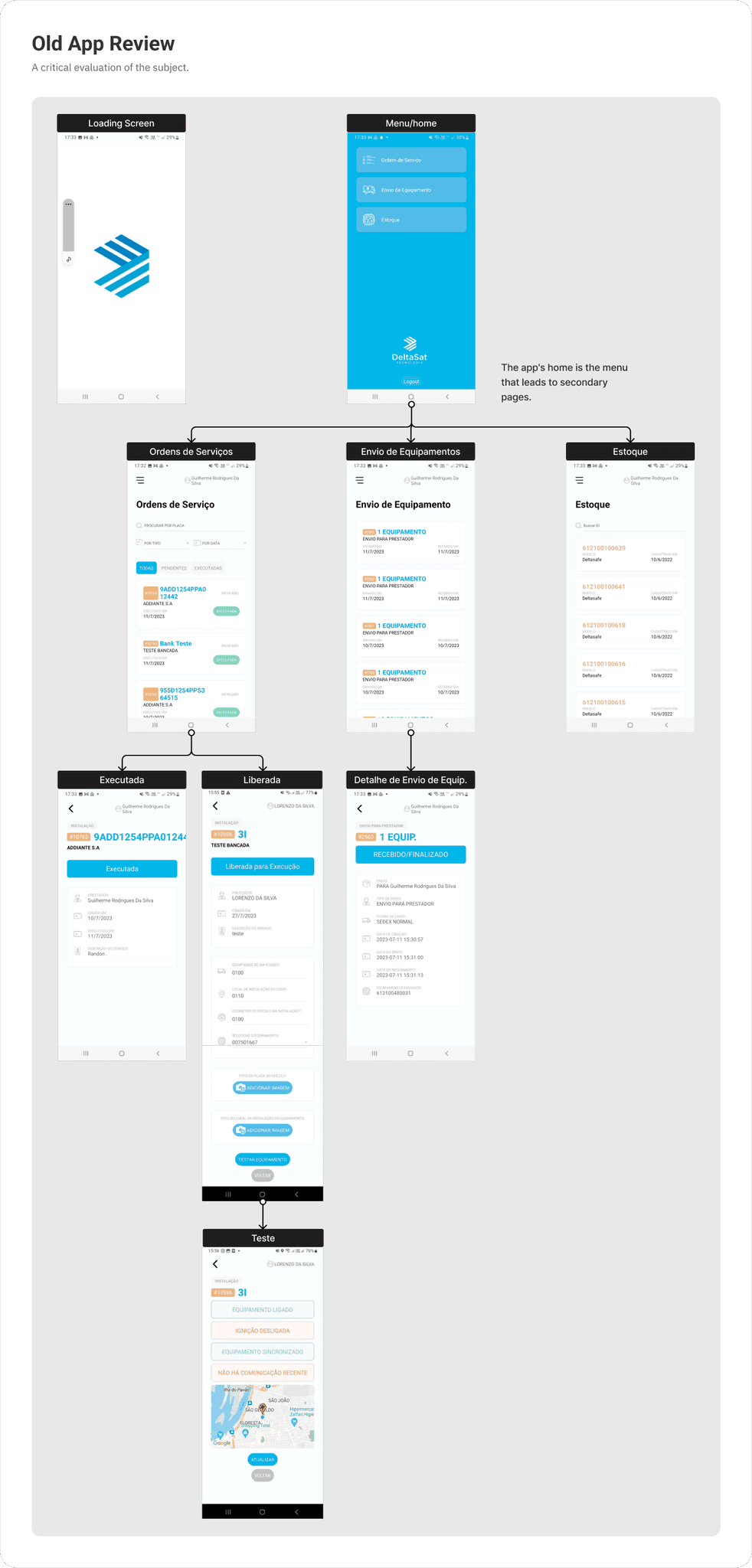
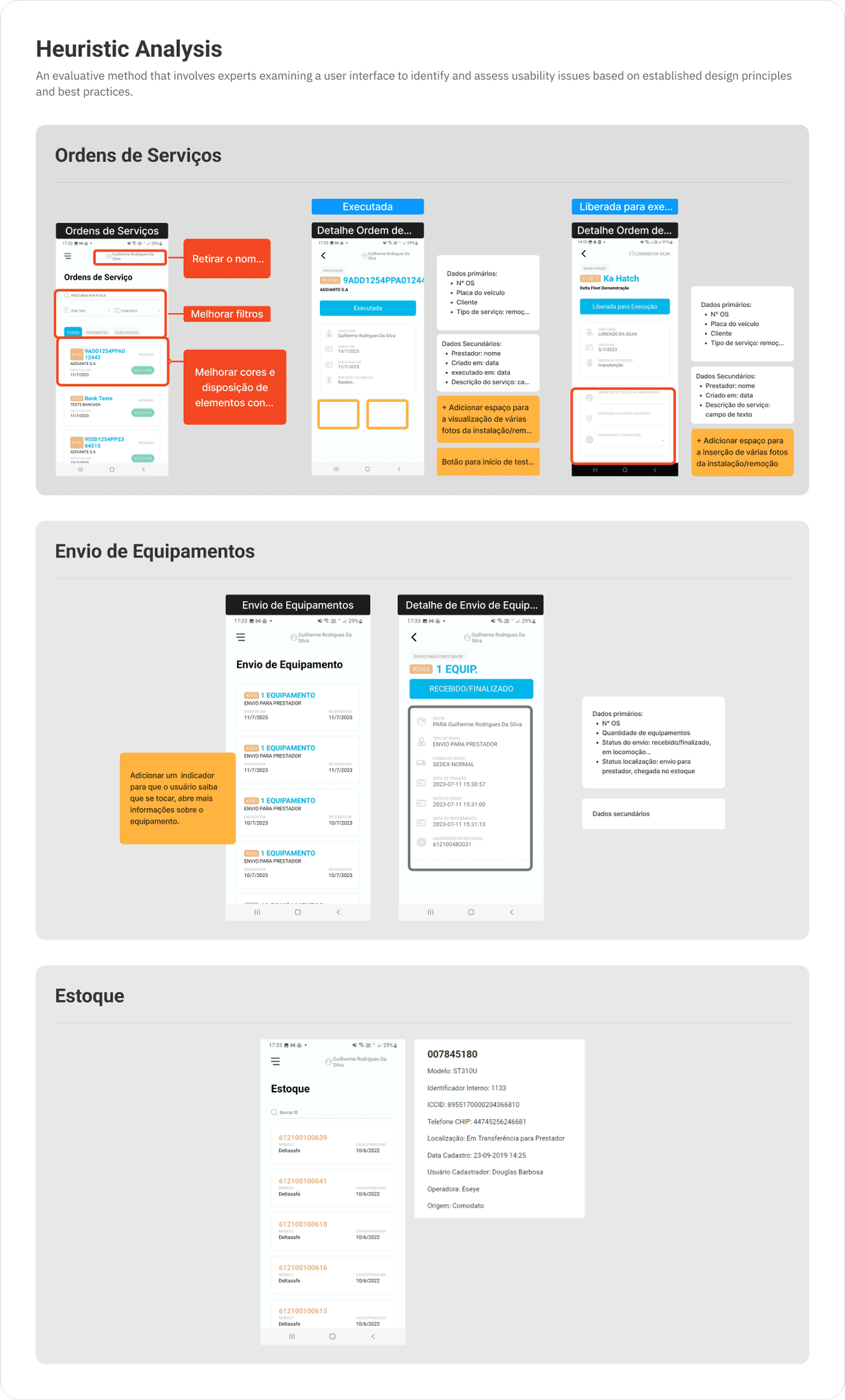
Initially, it was crucial for the team to understand the complete flow of the old app, as well as its errors and blocks. The heuristic analysis highlighted many of the problems that users used to report.
User Interviews
Usability Heuristics
User Flows
Behavior research
3. Solution
User Flows and Wireframe
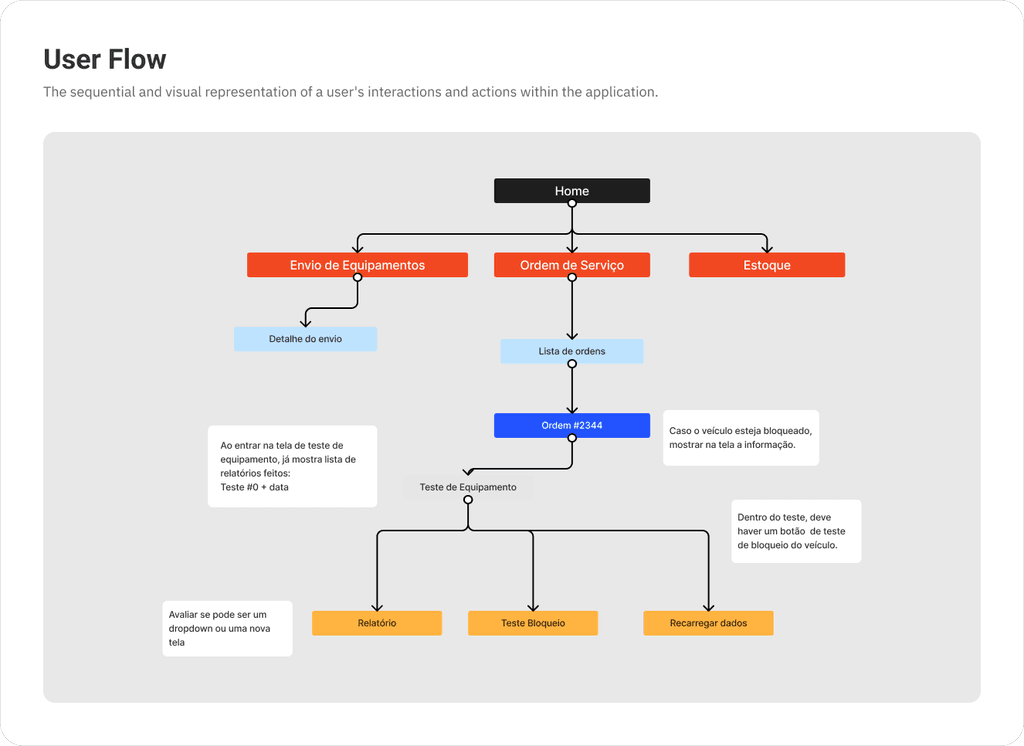
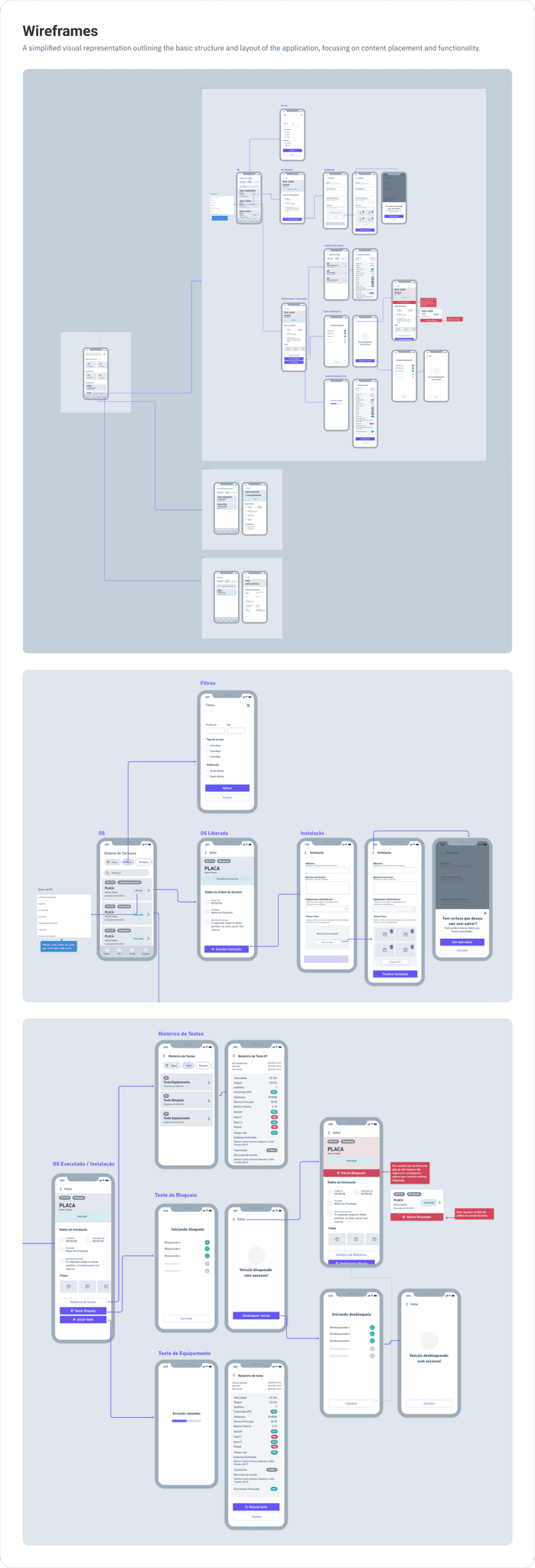
After gathering all the necessary information and priorities, user flows and wireframes were designed for final approval of the conceptual idea.
3. Solution
Design System
In the creation stage of the high-fidelity prototype, I first created all the figma variables. The colors set to light and dark mode, texts, spacings and shadows.
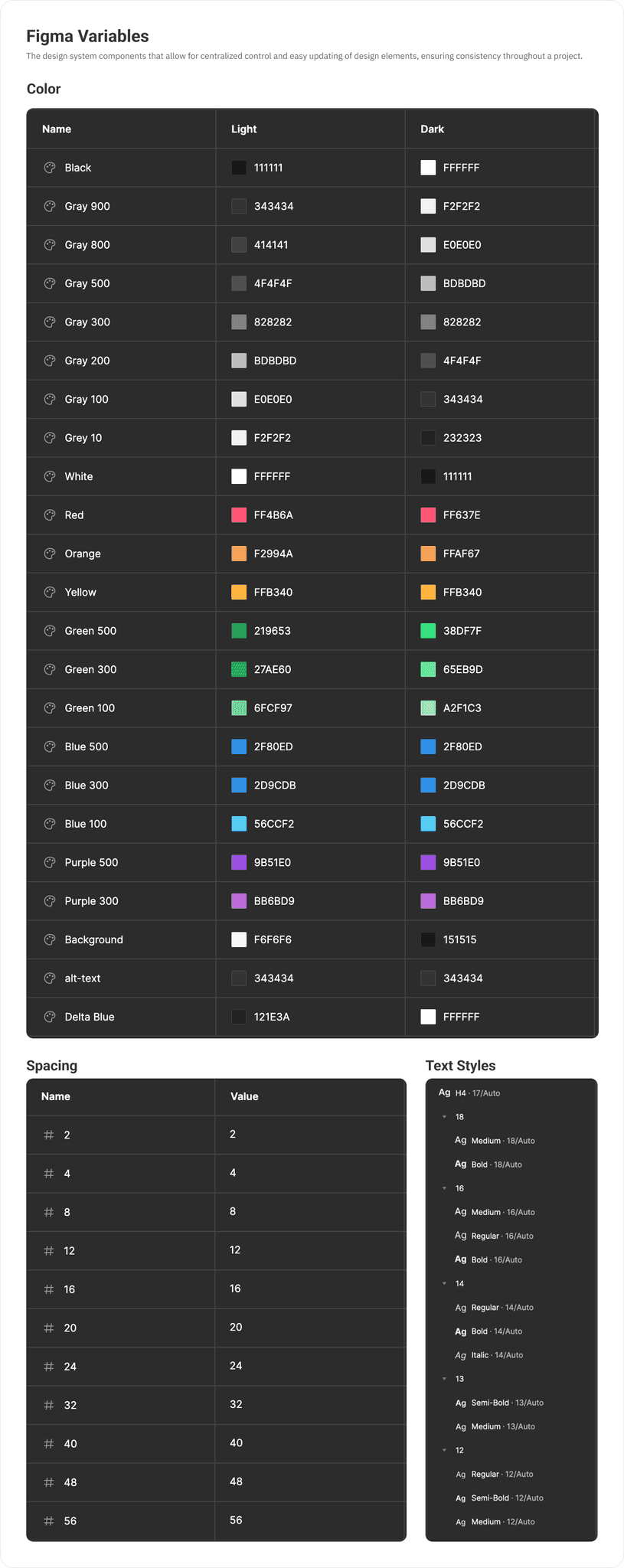
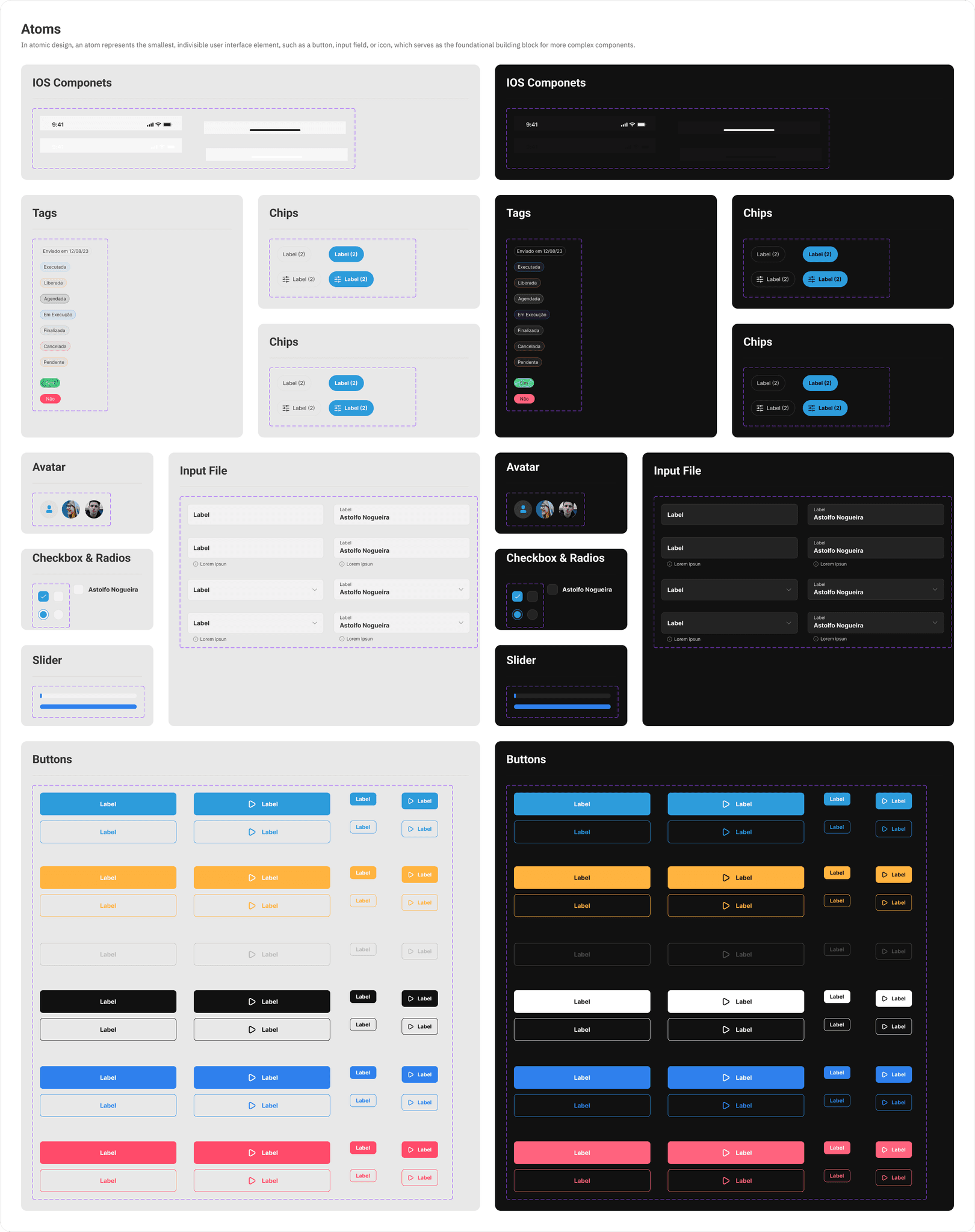
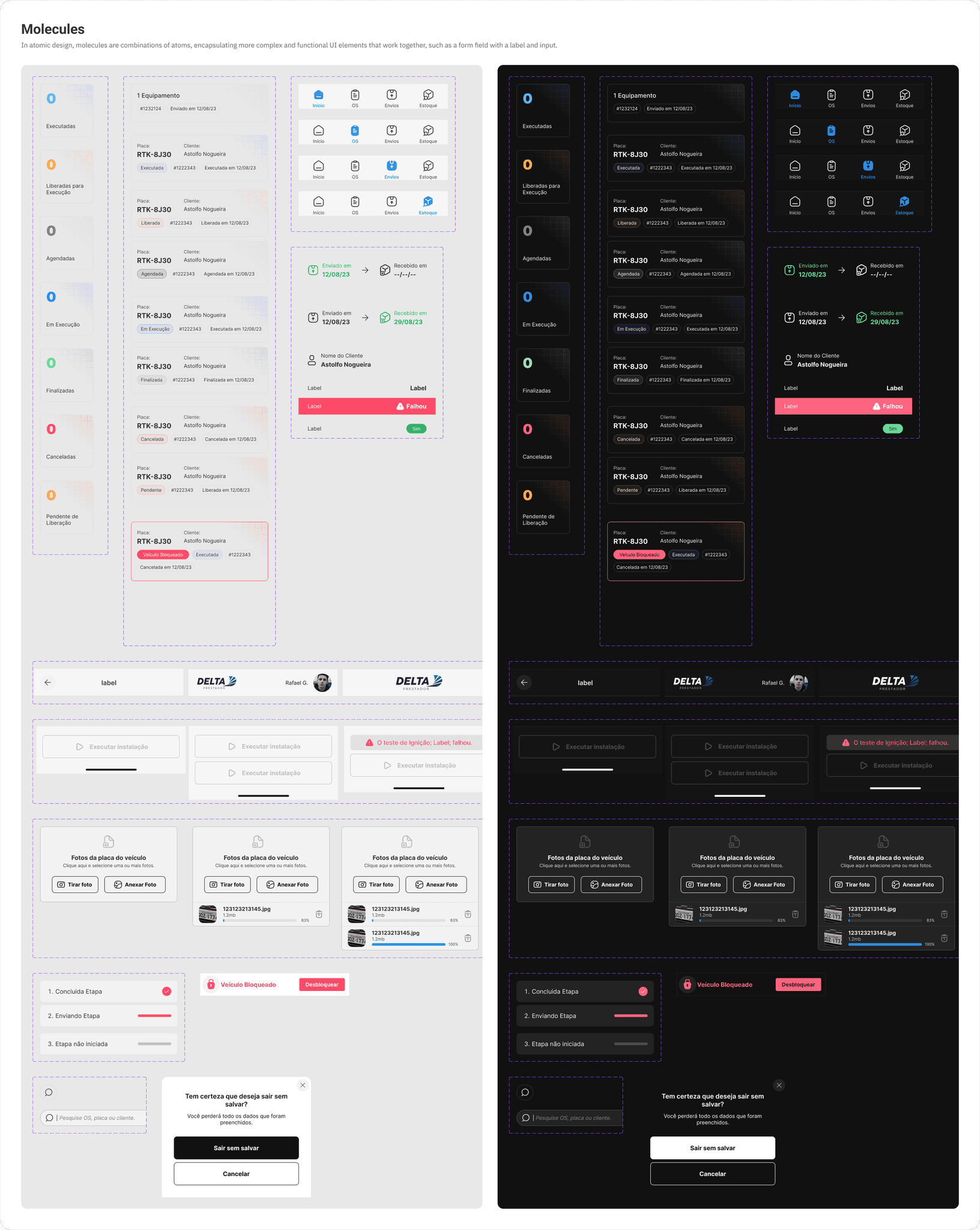
With all the tokens prepared, it was time to create the componentization using the atomic design concept.
3. Solution
Hi-Fidelity Prototype
Dark Mode
Light Mode
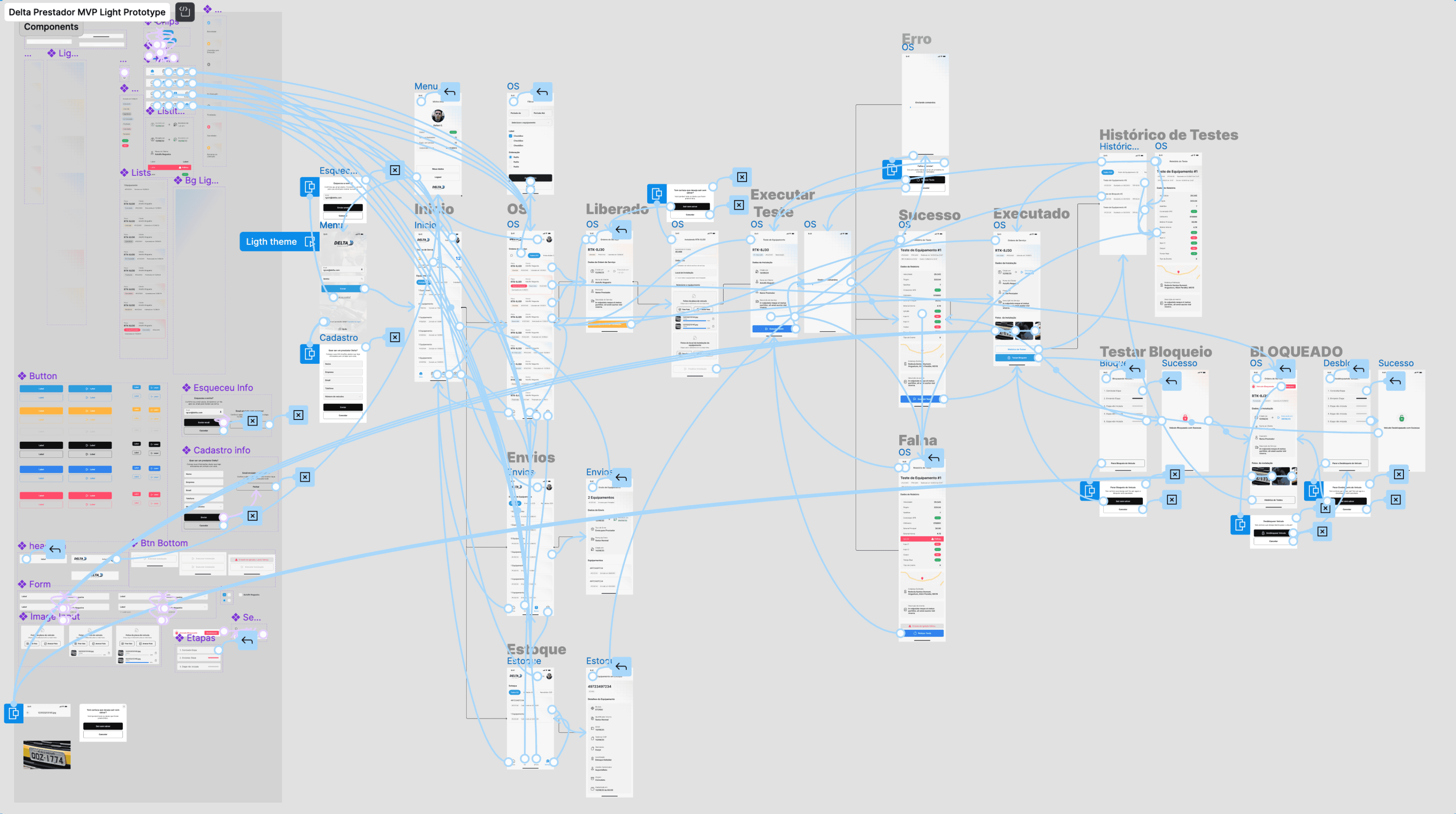
In the delivery stage, a complete functional prototype of the application was created to generate user tests. In the embeed above you can browse the application, set it to fullscreen mode for better viewing and switch between themes.
4. Conclusion
Result
It was certainly very gratifying to see the quality of delivery that the team managed to achieve on this project. It was a fast-paced project that didn't overlook important UX and UI stages.
Important points have been defined so that we can test and metrify the application's results in the future. The project is currently in the development phase.